Security Cooperation Consulting,
Training and Translation Services
Our purpose is simple: Connect Partners. Build Capacity. Strengthen Security.
Service Offerings
-
Turning strategic objectives into achievable, sustainable partner capabilities.
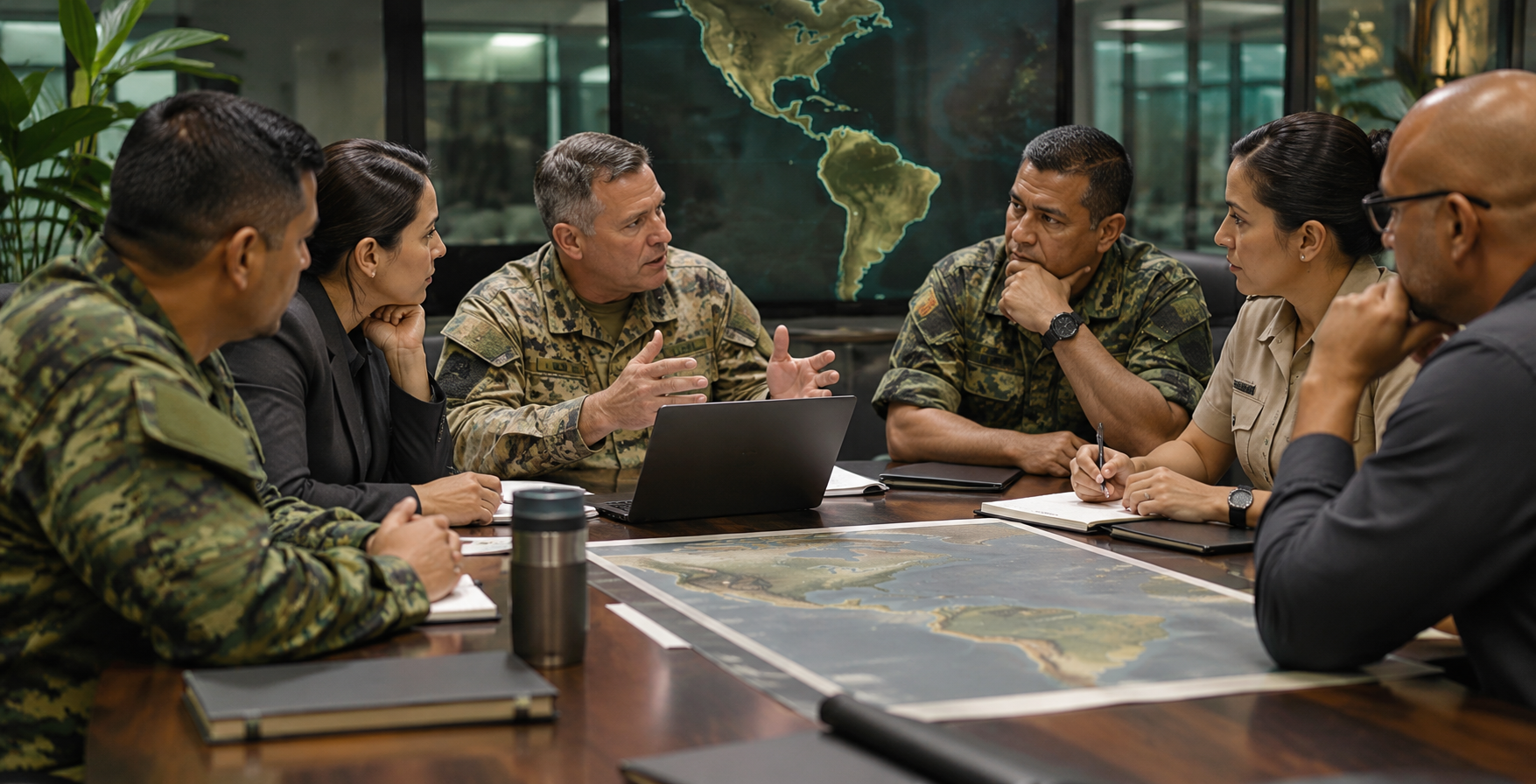
We provide advisory, planning, analytical, and program management support to help government teams design, implement, and assess security cooperation and security assistance initiatives. Our approach considers both the capabilities partners need and the institutions, resources, and processes required to sustain them.
Our consulting services include:
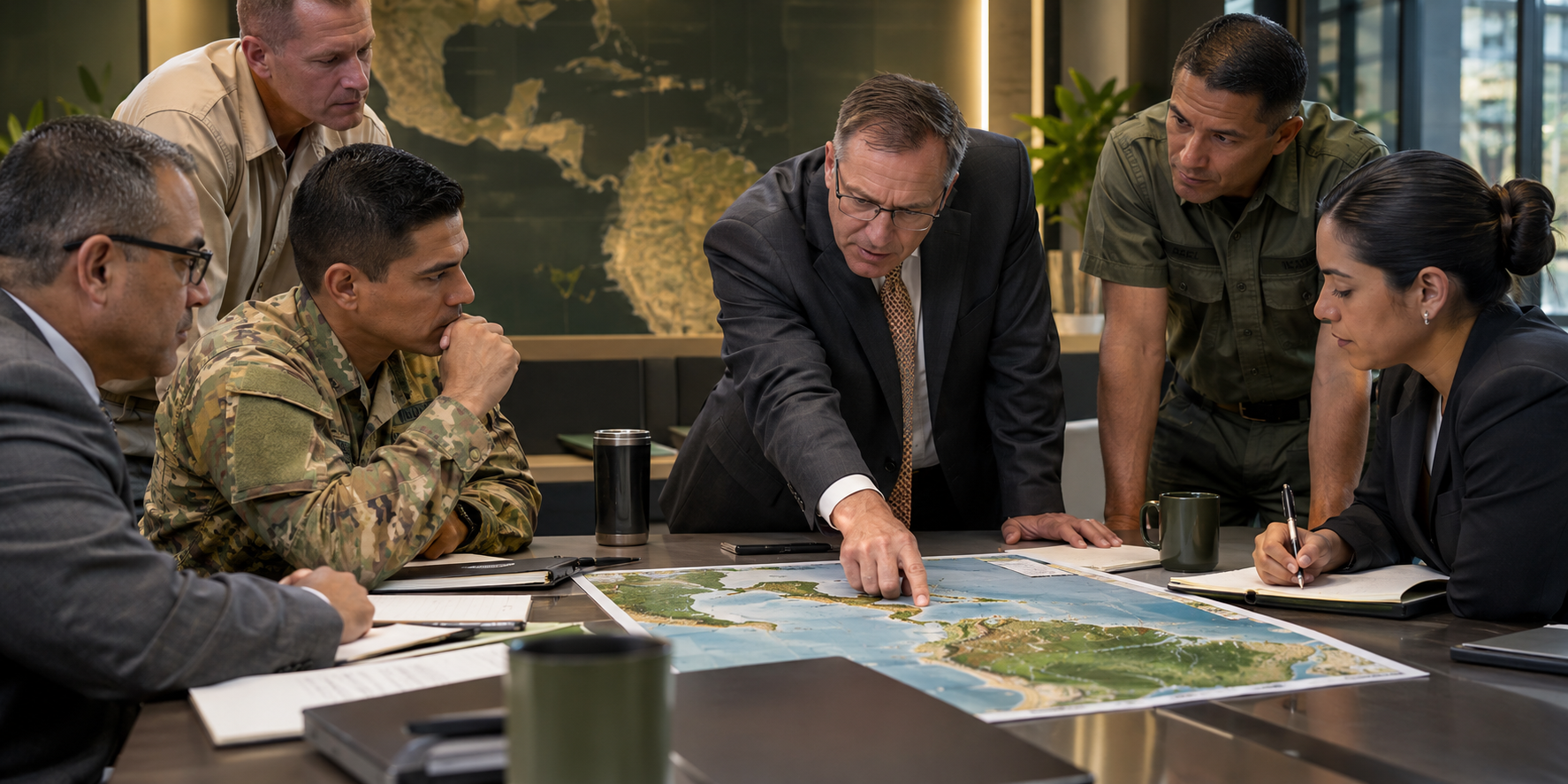
Strategic planning and initiative design. Develop country and regional analyses, partner engagement plans, initiative concepts, implementation roadmaps, and supporting documentation that connect U.S. objectives with partner nation priorities. Establish clear objectives, milestones, resource requirements, and measures of success.
Partner nation assessments. Examine operational requirements, institutional readiness, capability gaps, and organizational constraints. Assess whether partners have the personnel, infrastructure, funding, policies, and sustainment processes needed to absorb, employ, and maintain proposed capabilities.
Institutional Capacity Building. Help strengthen defense and security institutions through improvements in strategic planning, resource management, logistics, professional development, organizational processes, and civilian oversight. Integrate institutional development with equipment and training investments to support lasting results.
Program and portfolio management. Support work plans, execution schedules, budget tracking, risk management, stakeholder coordination, and program reviews. Prepare decision papers, leadership briefings, status reports, and recommendations that help government managers identify delays, address gaps, and prioritize resources.
Assessment, Monitoring, and Evaluation. Develop results frameworks, theories of change, baseline assessments, performance indicators, and monitoring plans. Analyze implementation progress and partner outcomes, document lessons learned, and recommend adjustments to improve effectiveness and sustainability.
Interagency and multinational coordination. Facilitate planning sessions and engagements among combatant commands, embassy country teams, Security Cooperation Organizations, implementing agencies, and partner institutions. Prepare agendas, discussion guides, meeting summaries, and action trackers that turn engagements into coordinated follow-through.
Program support focus: Planning, analysis, coordination, and implementation support for government-directed Institutional Capacity Building, Section 333 capacity-building initiatives, Foreign Military Sales, Foreign Military Financing, and related regional security assistance efforts.
Representative deliverables: Partner assessments, initiative design packages, implementation plans, performance monitoring plans, program review briefings, risk registers, and leadership decision papers.
-
Building professional skills and institutional knowledge that endure beyond the classroom.
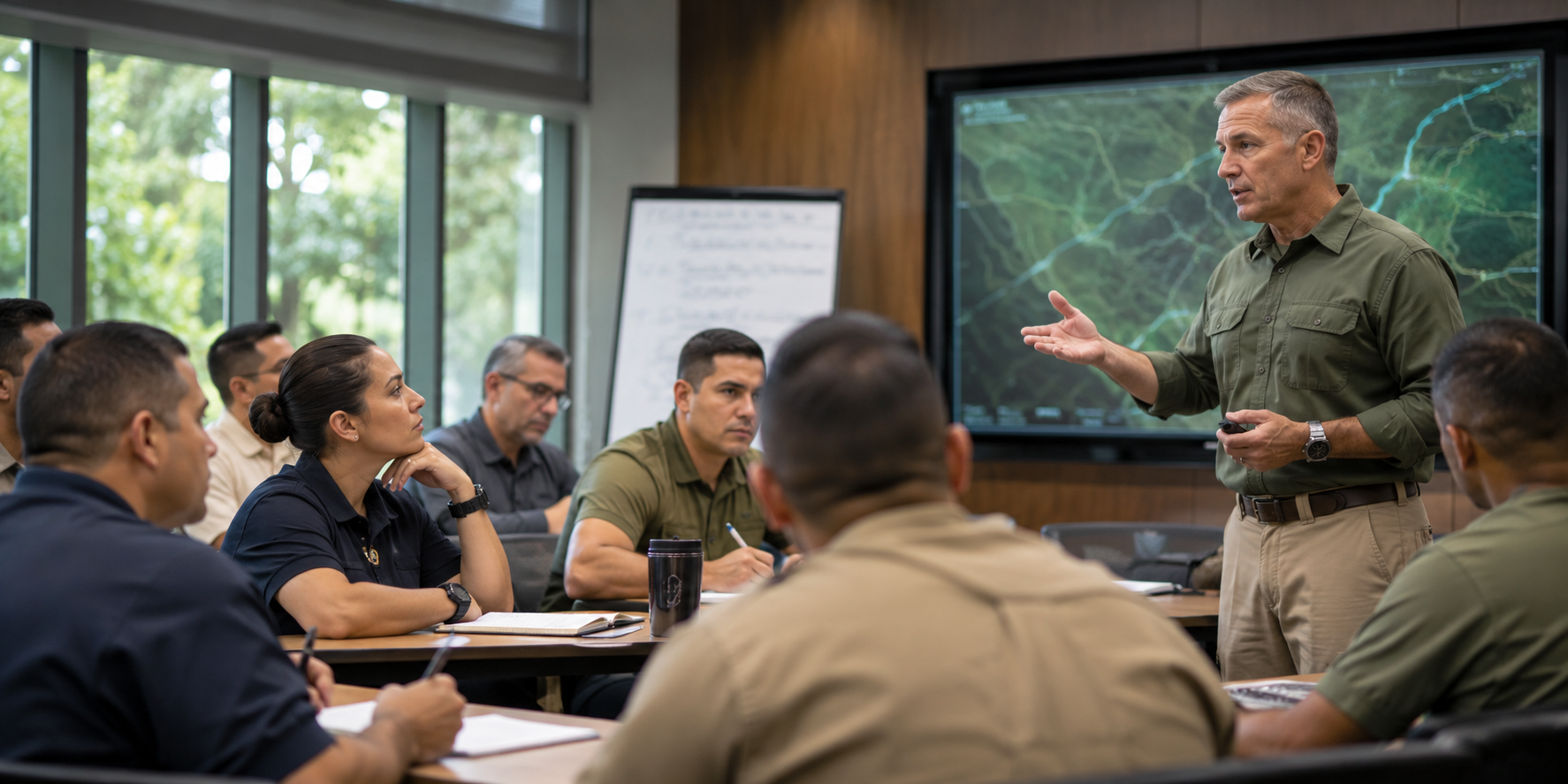
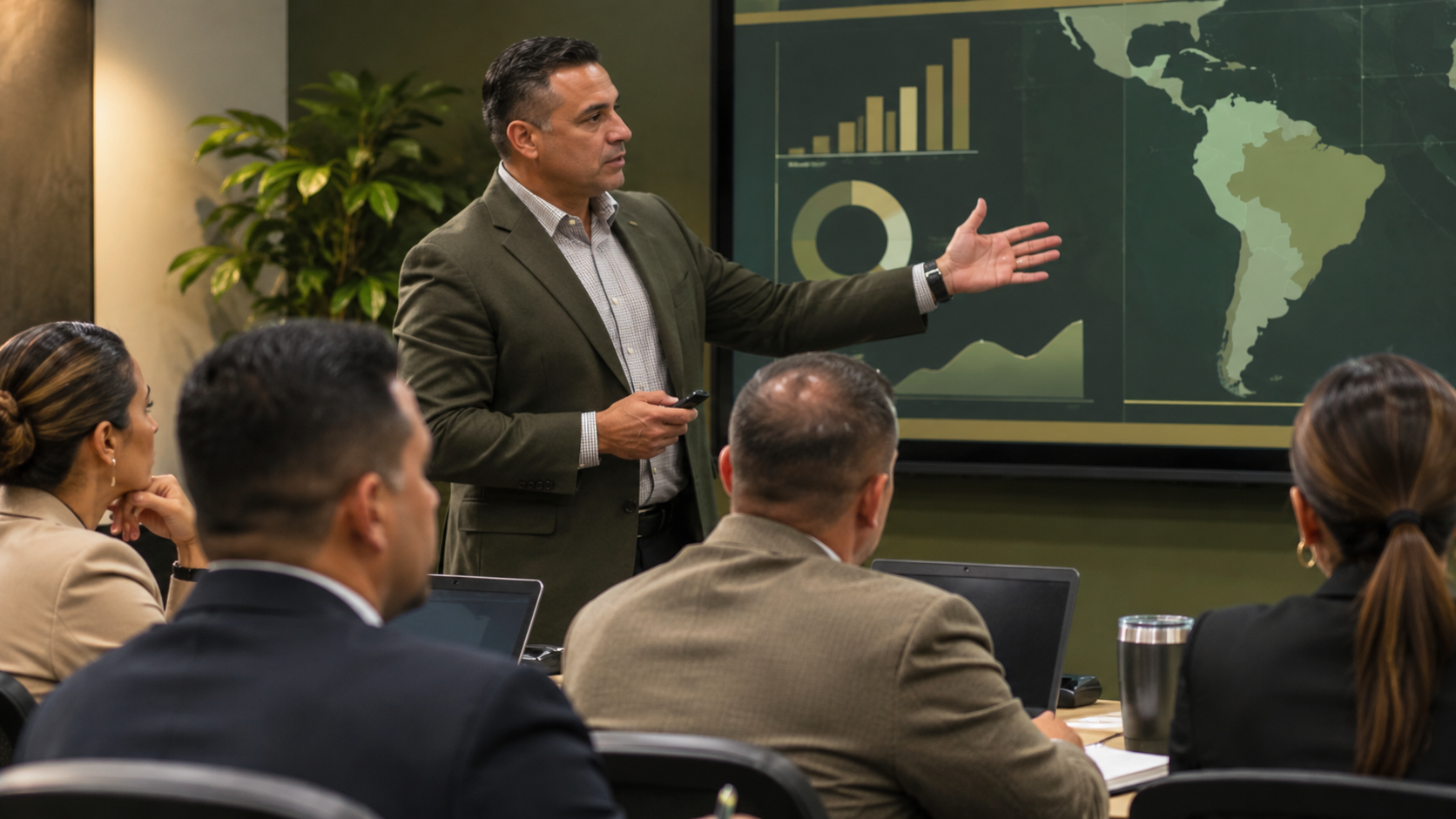
We design and deliver training that helps U.S. Government personnel and international partners translate program objectives into practical skills. Our approach combines clear learning objectives, regional context, applied exercises, and measurable learning outcomes.
Our international training services include:
Training needs assessments. Identify performance gaps, audience requirements, language needs, and institutional constraints. Develop training recommendations that distinguish learning needs from broader organizational or resource challenges.
Curriculum and instructional development. Create tailored courses, lesson plans, instructor guides, participant workbooks, presentations, case studies, and job aids. Adapt content to the audience’s experience, responsibilities, and operating environment.
Security cooperation and program management instruction. Develop workshops covering security cooperation planning, institutional capacity building, partner engagement, program execution, assessment and monitoring, and sustainment planning. Use practical examples to connect policy objectives with day-to-day responsibilities.
Leadership and institutional development. Provide instruction in strategic planning, staff coordination, resource management, professional communication, organizational improvement, and interagency collaboration. Incorporate accountable governance and professional responsibility into relevant course content.
Exercises and facilitated learning. Design tabletop exercises, planning workshops, scenario discussions, and after-action reviews. Help participants practice coordination, examine assumptions, identify procedural gaps, and develop recommendations they can apply within their organizations.
Train-the-trainer and learning assessment. Prepare partner instructors to deliver and maintain course material. Use knowledge checks, practical assessments, participant feedback, and follow-up tools to evaluate learning and support continued application.
Program support focus: Curriculum, instructional, language, and training coordination support for government-approved bilateral and regional engagements, mobile training activities, institutional development initiatives, and requirements associated with International Military Education and Training and DoS security assistance programs.
Representative deliverables: Training needs analyses, course packages, bilingual instructional materials, exercise scenarios, instructor development guides, assessment tools, and training completion reports.
-
Preserving meaning, technical accuracy, and professional intent across languages.
We provide English–Spanish translation and language support for government programs and international engagements throughout the Western Hemisphere. Our approach emphasizes subject-matter accuracy, consistent terminology, and language appropriate to the audience and national context.
Our translation services include:
Government and program document translation. Translate assessments, program proposals, correspondence, reports, briefings, engagement materials, and other documents supporting security cooperation and foreign assistance activities.
Technical and institutional translation. Translate defense and security terminology, organizational policies, logistics documentation, operating procedures, and institutional development materials while preserving the source document’s intended meaning.
Training material translation and adaptation. Produce bilingual presentations, instructor guides, participant workbooks, exercises, and assessments. Adapt examples and phrasing to improve understanding while maintaining approved learning objectives.
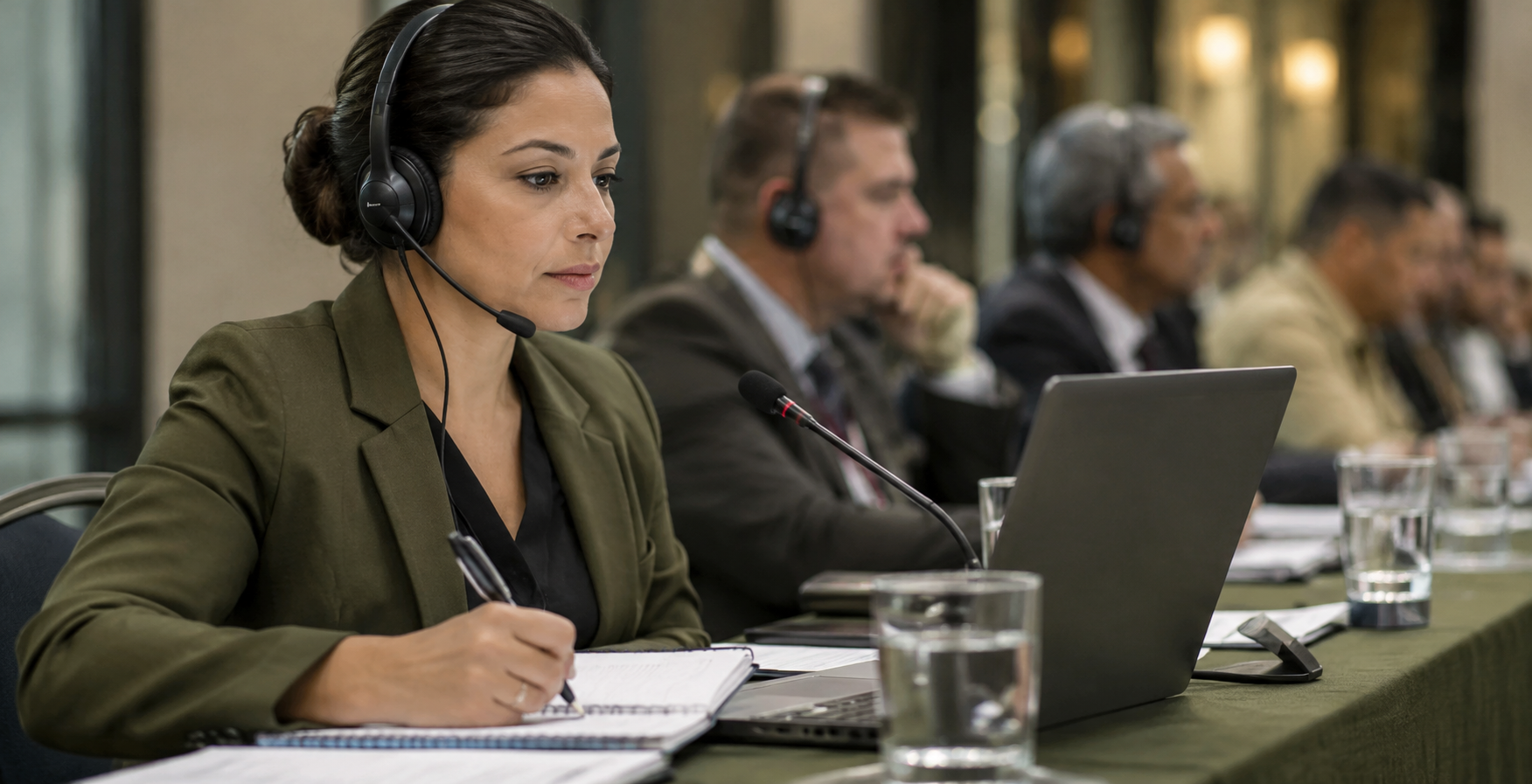
Interpretation and engagement support. Provide consecutive interpretation for meetings, workshops, interviews, training sessions, and partner engagements. Support advance preparation through terminology reviews, speaker coordination, and bilingual meeting materials.
Regional and cultural adaptation. Adjust terminology, tone, and references for specific countries and professional audiences. Help government teams communicate clearly across differences in institutional structures, military vocabulary, and cultural expectations.
Language quality assurance. Review translations for completeness, grammar, terminology, formatting, and consistency. Develop project glossaries and terminology guides to maintain accuracy across recurring documents and multi-phase programs.
Program support focus: Language services for DoW and DoS assessments, training activities, institutional capacity-building engagements, program monitoring, and coordination with partner governments.
Representative deliverables: Translated documents, bilingual briefing packages, localized training materials, terminology glossaries, and interpretation support.
Our Regional Focus
Our focus is Latin America and the Caribbean, where effective cooperation depends on understanding institutional realities, regional relationships, and local perspectives. We bring planning, training, and language support together to help government teams build shared understanding and achieve sustainable program outcomes.